


External Commercial Property Care
Maintenance Advocacy Series
For facilities managers, investment property owners, and commercial operators, compliance cleaning is more than an aesthetic concern. It is a core component of statutory planned preventative maintenance, a responsibility that safeguards both the physical asset and the organisation’s legal standing.
This article, part of our Maintenance Advocacy series, examines how a planned maintenance schedule for external commercial property cleaning supports regulatory compliance, reduces costs, and extends the lifespan of critical assets. It also explores why overreliance on reactive approaches is proving so costly to UK businesses.
The Compliance Imperative
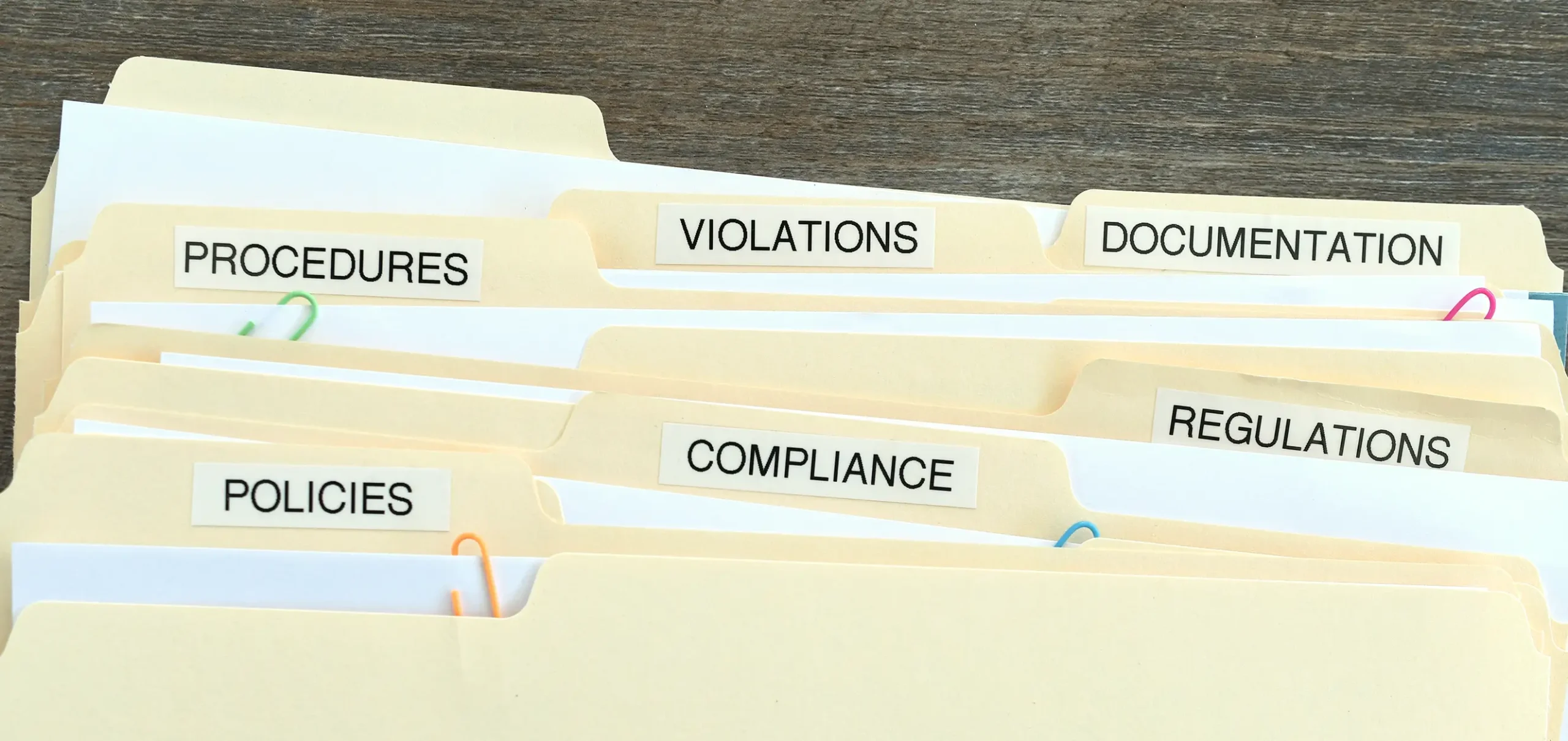
External building surfaces are subject to a range of compliance requirements, from health and safety obligations to environmental and heritage regulations. For example:
Slip and trip prevention — Algae and moss accumulation on pavements or entrances can lead to accidents, creating potential liabilities under workplace safety legislation (AM Planned Maintenance).
Fire safety and access — Blocked service areas or damaged cladding can breach statutory safety codes (LocalGov).
Environmental compliance — Improper cleaning methods can result in chemical run-off violations or harm to protected materials (Augury).
Integrating compliance cleaning into a planned preventative maintenance regime ensures these obligations are met consistently, avoiding the risk of fines, legal claims, or reputational damage.

Reactive Maintenance: A Costly Habit
The UK’s historic reliance on reactive maintenance has created measurable operational, financial, and safety risks. Industry research shows unplanned downtime costs UK manufacturing up to £180 billion annually, with individual incidents costing smaller sites between £12,000 and £25,000. Emergency interventions often demand higher labour rates, expedited materials, and temporary fixes that fail to address root causes (DMA Group).
From a facilities management perspective, reactive cleaning of building exteriors — such as only responding when surfaces are visibly stained, or algae growth is already hazardous — mirrors these inefficiencies. It results in:
Higher long-term costs due to repeat remedial works (Motion Drives and Controls, DTG UK).
Increased safety risks when hazards go unaddressed until after an incident (GVG Group, LocalGov).
Shortened asset lifespan from accelerated deterioration (Singleton Engineering, Augury).
Planned Preventative Maintenance:
This is a sub title Building in Predictability
Planned preventative maintenance (PPM) introduces predictability, consistency, and cost efficiency into asset care. For external commercial property cleaning, this means:
Routine inspections to identify early signs of wear, contamination, or damage (AM Planned Maintenance).
Scheduled cleaning treatments for façades, car parks, and access routes, timed to seasonal and operational demands (Motion Drives and Controls).
Specialist interventions — such as steam cleaning, soft washing, or pollutant removal — planned in advance to avoid disruption (DMA Group).
Studies show that statutory planned preventative maintenance for critical infrastructure can be up to 30% more cost-effective than reactive approaches, while also delivering measurable reductions in downtime and liability exposure (FMS UK Group).

The Compliance Cleaning
PPM CONNECTION
A robust planned maintenance schedule for compliance cleaning should cover:
Frequency — Establishing cleaning intervals aligned with both regulatory requirements and environmental exposure (e.g., high-traffic urban sites may need quarterly façade cleaning) (LocalGov).
Scope — Ensuring all compliance-sensitive areas are included: fire exits, pedestrian access, car parks, signage, and drainage channels (AM Planned Maintenance).
Documentation — Maintaining records to demonstrate statutory compliance during inspections or audits (DMA Group).
Methodology — Using environmentally approved cleaning agents and techniques appropriate to surface materials (Augury).

Technology’s Role in Modern PPM
The adoption of IoT sensors, drones, and computerised maintenance management systems (CMMS) is transforming compliance cleaning. Condition monitoring enables early identification of issues such as cladding deterioration, while CMMS platforms allow managers to schedule, track, and document maintenance cycles in real time (AM Planned Maintenance).
Such tools support more accurate budgeting, reduce waste, and allow teams to focus resources where they will have the greatest impact (AddParts).
Beyond Compliance:
The Strategic Value
While meeting statutory requirements is non-negotiable, a strong planned maintenance schedule delivers wider business value:
Brand image — Clean, well-maintained exteriors project professionalism to clients, tenants, and investors (Motion Drives and Controls).
Sustainability — Proactive care extends asset lifespan and reduces the environmental impact of premature replacements (Singleton Engineering).
Operational efficiency — Planned works minimise disruption by being scheduled around business operations (FMS UK Group).

Making the Shift
Transitioning from a reactive cleaning model to one built around statutory planned preventative maintenance requires a cultural shift as much as a procedural one. It involves:
Securing leadership buy-in for long-term budget allocation (DMA Group).
Training operational teams on compliance requirements (AddParts).
Partnering with service providers experienced in both external cleaning and regulatory standards (AM Planned Maintenance).
This approach aligns with industry best practice and the growing consensus that hybrid maintenance regimes — prioritising preventative care for critical assets — offer the best balance of cost control, compliance assurance, and asset resilience (GVG Group).
Compliance cleaning is not a discretionary activity; it is a strategic necessity. Embedding it within a well-structured planned maintenance schedule not only meets statutory obligations but also strengthens safety, asset longevity, and operational efficiency (Motion Drives and Controls).
As part of our Maintenance Advocacy series, we’ll continue to explore practical strategies for moving from reactive to preventative models, ensuring facilities managers and property stakeholders have the tools to protect their investments.
